CASES WE HANDLE

Seattle Malpractice Post-operative Errors in Care, Including Failure to Monitor

Post-Operative Errors In Care, Including Failure To Monitor

Seattle Malpractice Post-operative Errors in Care, Including Failure to MonitorWhat Are Common Post-Op Care Malpractice Issues?
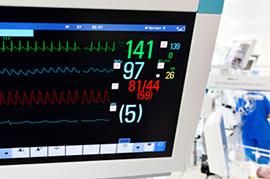
A failure to monitor for infection, bleeding, blood clots, or respiratory complications after surgery can give rise to a malpractice claim. These are all common post-operative complications that can be effectively treated if caught early.

Can I Sue If I Wasn’t Monitored Properly After Surgery?

Yes, you may be able to sue if you were not monitored properly after surgery. Post-operative monitoring is critical to detect and treat complications early, before they cause serious permanent harm.

What Injuries Result From Poor Post-Op Care?

Many different types of injuries can result from negligent post-operative care. These include injuries from infections, from developing blood clots, or from the consequences of anesthesia.

Why Is Monitoring Vital Signs Important After Surgery?

Monitoring vital signs like heart rate, blood pressure, oxygen levels, and temperature is crucial after surgery because it helps to detect complications such as internal bleeding, infections, or respiratory distress early. This allows for prompt intervention to prevent serious harm.

What Is Failure To Follow Post-Operative Orders?

This occurs when nurses or other staff members do not carry out the surgeon’s specific post-operative instructions. This can include things like mobility precautions, wound care, or medication administration. A failure to follow post-operative orders can lead to preventable complications and may be the basis for a malpractice claim.

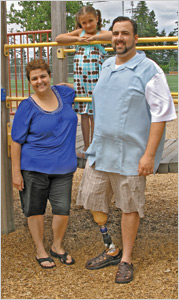
Barry and Lula M. Federal Way, WA

“In 2006, Barry went in for routine surgery for a heart-valve replacement, and we expected him to be back at work within a week. Unfortunately because of his relative youth and size, he was not monitored appropriately and the blood supply was cut off to one of his legs. After 18 operations for debridement, the leg could not be saved and was amputated six months later.

After a large law firm turned us down, we were referred to Chemnick Moen Greenstreet through friends. Working with Pat and Paul was more than we could hope for. They were a great team. With her medical background, Pat found the best experts and Paul fought hard for a great settlement. They were there for us as a family that went beyond our case.”

Barry and Lula M.
Federal Way, WA

Related Posts From
The CMG Voice

When an operation is over and the patient is taken to the recovery room (PACU) and later to the regular floor for discharge, most people think the danger is over. But the potential for deadly errors still exists. Most often these errors revolve around failing to adequately monitor post-operative patients.

When the patient’s breathing tube is removed, it may be too early and breathing problems will occur. Careful monitoring by nurses and respiratory therapists is necessary to avoid complications.

Patients often receive pain medications such as morphine or Dilaudid, which can cause respiratory depression leading to brain damage or death if not properly monitored. This risk is greatly increased in patients who suffer from obstructive sleep apnea and who may not be using a C-PAP machine in the hospital.

Excessive bleeding may occur undetected. For back surgeries, the bleeding can cause a hematoma that can compress the spinal cord or nerve roots, causing paralysis or bowel and bladder dysfunction. The key to early diagnosis and intervention lies in careful monitoring of the patient by nurses and other hospital personnel.