High blood pressure is often called the “silent killer” — no symptoms, no warning signs, until something goes wrong. But new research suggests the stakes are even higher than we thought. Uncontrolled hypertension may not just threaten the heart. It may quietly threaten the mind.
Medical guidelines have shifted for years on what counts as “normal.” For decades, a reading of 140/90 was acceptable. In 2017, the American Heart Association moved the bar, recommending treatment for anyone above 130 systolic. The most recent guidelines push further, urging high-risk patients to aim below 120. What doctors once called fine is now classified as hypertension.
The reason for the tighter targets goes beyond heart disease. Recent studies from the U.S. and China suggest that controlling blood pressure may help preserve cognitive function in older adults. One geriatrician put it plainly, “what’s good for the heart is good for the brain”. That message hits differently than warnings about heart attacks. People may not fear dying sooner — but they fear losing their memory.
Real tradeoffs exist. Blood pressure that drops too low causes dizziness, falls, and injury — serious risks for elderly patients. And not every patient is the same. Someone managing cancer, frailty, or advanced dementia may have bigger concerns than chasing a lower number.
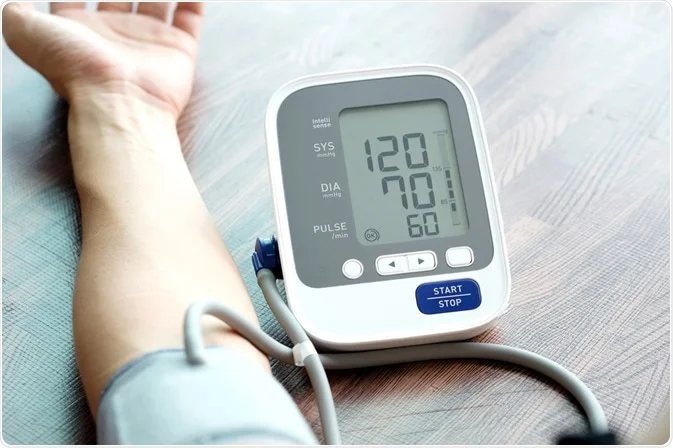
Still, the case for action is hard to dismiss. Generic blood pressure medications cost very little. Home monitors run about $35. And the potential payoff — even delaying cognitive decline by a year or two — is something most patients would consider worth the effort.
In medicine, today’s guideline often becomes tomorrow’s standard of care—and yesterday’s “acceptable” can become today’s deviation.