Could AI Catch Your Diagnosis Before Your ER Doctor?
We may someday look back on this moment the way we now look back on

Retired
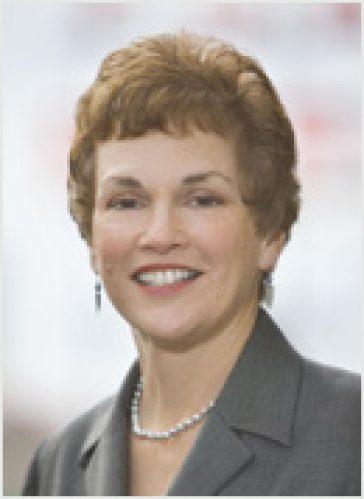
Pat is an attorney who has represented patients in medical negligence actions exclusively for the past 30 years. Pat especially focuses on representing catastrophically injured women and children.
Pat received the “Professionalism Award” in 2012 from the Washington State Association for Justice, and was listed as a top medical malpractice attorney in a 2010 Seattle Metropolitan Magazine poll. She was a member of the Board of Governors of WSAJ from 2006-2001; served two terms as vice president of public affairs; and has been the chair of the Medical Negligence Section.
Before graduating from the University of Washington School of Law in 1984, Pat practiced nursing at Children’s Hospital and Medical Center in Seattle for over 6 years. In 2006, Pat was inducted into the 2006 Washington State Nurses Association Hall of Fame “for achievements that have enduring value to nursing that will reach beyond the inductee’s lifetime.” She has served as president of the King County Nurses Association (1991-1993), which chose her as “Nurse of the Year” in 1988.
She is a former clinical assistant professor at both the University of Washington and Seattle University Schools of Nursing and a lecturer at Seattle Pacific University School of Nursing on legal issues related to nursing practice. Pat is currently a member of the Advisory Board for the ALS Association – Evergreen Chapter.
In January 2013, Trial News published a medical negligence article by Pat titled “Why We Do the Work.” She has published many other articles in legal publications (see Articles).
We may someday look back on this moment the way we now look back on
You drove to the emergency room because something felt wrong. You sat in the waiting
What if the test that could have caught your cancer earlier never existed — not
Medicaid’s promise is simple: no one falls through the cracks. That promise is now under
Most people assume that more medical care is better medical care. It makes sense, doesn’t